Crawler Excavator: A Practical Buying Guide for Contractors
Finding the right used **crawler excavator for sale** means checking the undercarriage, work history, and documentation before committing. In this guide, we break down what to inspect and how to value a tracked excavator so you can buy with confidence. ## What is a Crawler Excavator? A crawler excavator is a tracked digging machine used for earthmoving, demolition, landscaping, and heavy construction. The tracks provide stability and traction on soft or uneven ground, making them ideal for sites where wheeled equipment cannot travel. ## What to Check Before Buying - **Undercarriage condition:** Inspect track shoes, rollers, idlers, and sprockets for wear. - **Hydraulic system:** Look for leaks, slow operations, or unusual noises. - **Engine performance:** Check smoke, start-up behavior, and service records. - **Hour meter:** Compare hours to the machine’s age and usage pattern. - **Attachments:** Verify buckets, thumbs, or quick couplers are included. - **Paperwork:** Confirm ownership, maintenance logs, and any open liens. ## Common Uses Crawler excavators are commonly used for: - Digging trenches and foundations - Loading trucks with soil or aggregates - Demolition of structures - Land clearing and forestry work - Material handling with specialized attachments ## Tips for Buyers - Always run a walk-around inspection in person if possible. - Ask for maintenance and fluid service records. - Test all hydraulic functions and swing operations. - Compare prices across similar models and years. - Consider replacement parts availability and support in your region. ## Frequently Asked Questions **What should I inspect first on a used crawler excavator?** Start with the undercarriage. Track replacement can be one of the biggest expenses, so wear on rollers, idlers, and track links directly affects total cost. **How many hours are too many for a used excavator?** It depends on maintenance, application, and brand. A well-maintained 10,000-hour machine may be a better buy than a neglected 5,000-hour unit. **Are tracked excavators better than wheeled models?** Crawler excavators offer better stability and lower-ground pressure on soft terrain, while wheeled excavators are faster on roads and easier to move between jobs. **Do I need to verify ownership documents?** Yes. Always confirm the seller owns the machine and that there are no liens or financing claims attached to it. ## Find the Right Crawler Excavator for Sale Whether you are shopping for a compact excavator for landscaping or a heavy tracked digger for construction, take time to inspect the undercarriage, hydraulics, and service history. A thorough pre-purchase review helps you avoid surprise costs and find a machine that fits your workload.
2026/11/19
Reading volume: 0
News Details
Crawler Excavator for Sale: A Practical Buying Guide for Contractors
Buying a crawler excavator is a major investment for construction contractors and equipment dealers. When comparing a crawler excavator for sale, buyers need to look beyond the asking price. Machine condition, operating hours, undercarriage wear, hydraulic performance, and maintenance history all influence the actual value of the equipment. The right excavator should match the type of work, site conditions, and transportation requirements. A machine that is suitable for bulk earthmoving may be unnecessarily large for utility trenching or residential construction. Defining project requirements before comparing listings helps buyers avoid paying for capacity they do not need.
Define the Job Before Comparing Crawler Excavators
Machine size is one of the first factors to consider. Contractors should evaluate typical digging depth, trench width, working radius, lifting requirements, and daily workload before choosing an operating weight class. Larger excavators generally offer greater digging capacity, but they also involve higher transportation costs and may require more space on site. Ground conditions also influence machine selection. Excavation in hard rock, compacted clay, or abrasive soil places different demands on the bucket, boom, hydraulic system, and undercarriage. Buyers should consider the machine's previous applications and whether its configuration is suitable for their expected workload. Bucket capacity and digging performance deserve equal attention. A larger bucket does not automatically improve productivity if the machine cannot handle the material efficiently. Comparing bucket specifications, breakout force, digging depth, and cycle performance provides a more realistic picture of what the excavator can deliver.
Inspect the Undercarriage and Track System
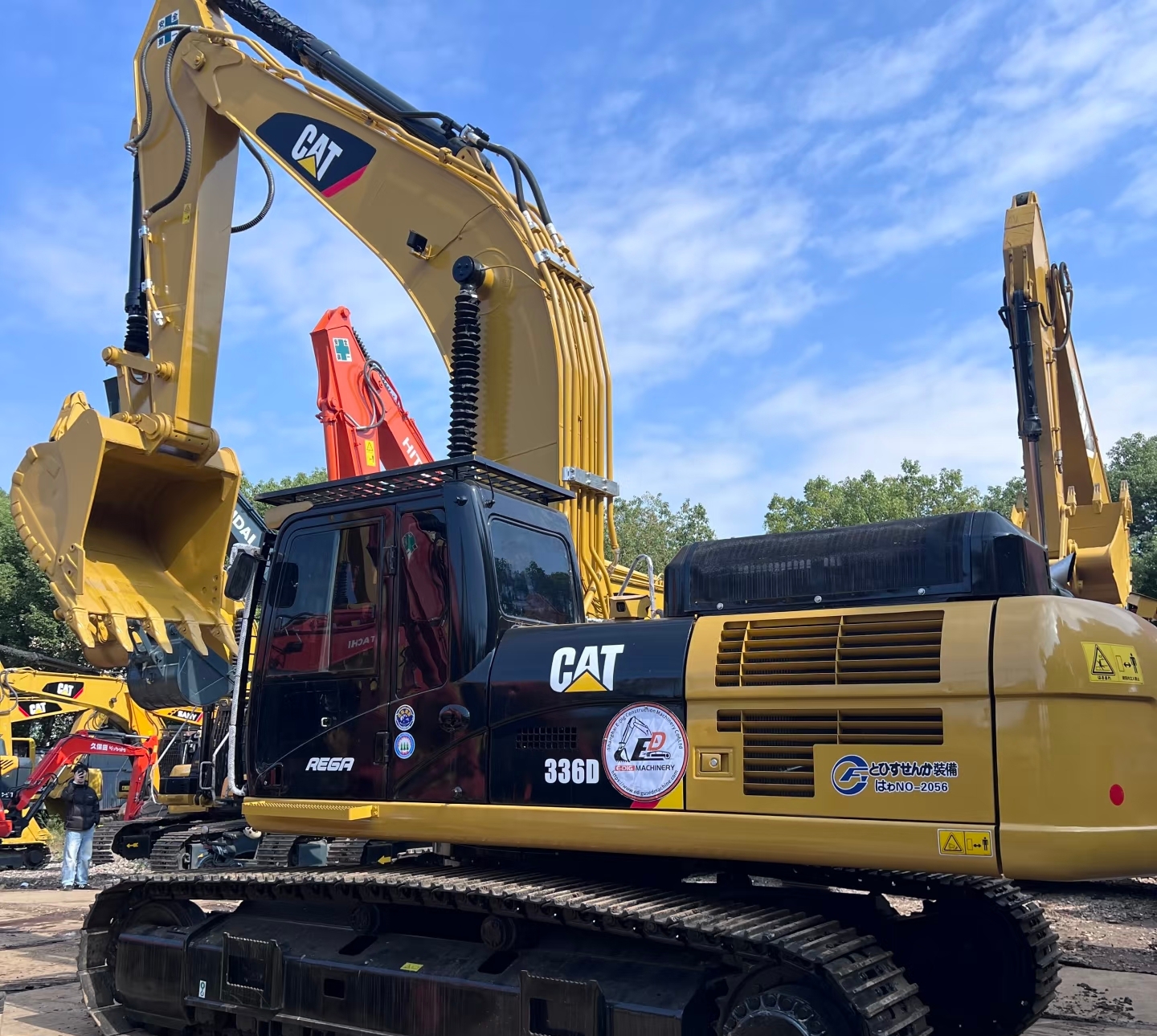
The undercarriage is one of the most important areas to inspect when buying a used crawler excavator. Track chains, shoes, rollers, idlers, and sprockets experience continuous wear during operation. Replacing several worn components at the same time can represent a substantial repair expense. Start by checking the track shoe condition and measuring wear against the manufacturer's service specifications. Examine the track links, pins, and bushings for excessive wear, while looking for damaged or unevenly worn shoes. The sprocket teeth should also be inspected for hooking or unusual wear patterns. Rollers and idlers can reveal additional problems. Look for oil leaks, damaged seals, abnormal movement, and uneven wear across the track system. Compare both sides of the undercarriage, since differences in wear may indicate operating or maintenance issues. Track tension should also be checked according to the manufacturer's recommended procedure. Operating hours alone are not a reliable measure of undercarriage condition. A machine used on abrasive rock surfaces may experience more wear than one working on softer ground for a similar number of hours. Ask for previous replacement records and estimate the remaining service life of major components before negotiating the price.
Mining Applications and Hydraulic Configurations
A used mining excavator for sale may attract buyers looking for heavy-duty equipment, but mining applications require closer attention to machine condition. Excavators used in continuous loading operations often experience demanding duty cycles, abrasive material exposure, and heavy component loads. Buyers should examine the boom, stick, bucket, and structural connection points for cracks, welding repairs, and signs of excessive stress. Cooling systems, hydraulic components, and the engine also deserve careful inspection because prolonged heavy-duty operation can accelerate wear. A machine's previous working environment is often just as important as its operating hours. Hydraulic configuration is another key purchasing factor. A hydraulic excavator for sale may be equipped with auxiliary hydraulic lines, quick couplers, or other options designed for specific attachments. Contractors planning to use hydraulic breakers, grapples, or other powered tools should confirm the required flow rate, operating pressure, and connection compatibility. Not every machine needs a high-flow hydraulic system. Additional hydraulic capacity can increase purchase and maintenance costs if the equipment is not required for the intended work. Selecting a configuration based on actual attachment requirements helps control investment costs while maintaining operational flexibility.
Inspection, Documentation, and Delivery Terms
A thorough inspection should include both cold-start and operating tests. Observe how the engine starts, check for abnormal smoke or noise, and monitor the engine temperature during operation. Test the hydraulic system, travel motors, swing function, and control response under suitable working conditions. The swing bearing, final drives, cylinders, and hydraulic hoses should be checked for excessive play, leakage, or visible damage. Inspect the cab, electrical systems, safety equipment, and control functions as well. For used machines, an independent inspection by a qualified technician can provide additional confidence before payment. Documentation is equally important. Request the machine's serial number, ownership records, maintenance history, and available inspection reports. Buyers importing equipment should also confirm applicable emissions requirements, customs documentation, and local registration conditions. The machine's identification details should match the supporting documents. Before completing the purchase, agree on the delivery location, freight charges, loading responsibilities, insurance, and payment schedule. Request recent photos or a live video inspection if an in-person visit is not possible. Payment should follow a verified transaction process, with the machine's condition and delivery obligations clearly documented.
Find the Right Crawler Excavator for Your Business
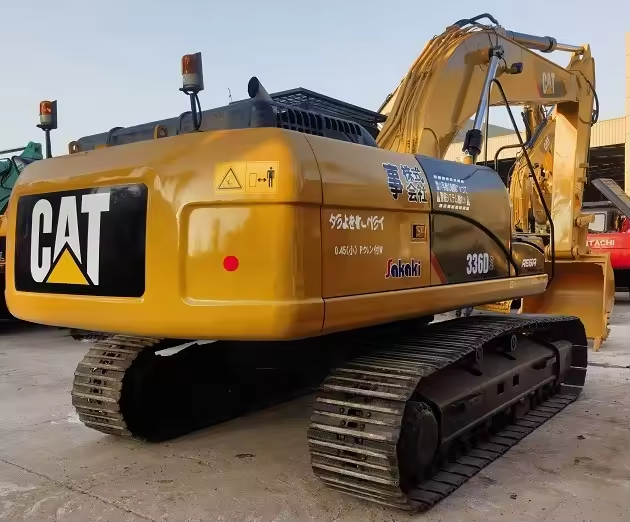
A competitive price does not necessarily mean a good purchase. The real value of a crawler excavator depends on its working condition, remaining component life, configuration, and suitability for the intended projects. Contractors should compare machine specifications, inspect the undercarriage, review maintenance records, and verify all transaction details before making a decision. A well-matched excavator with a clear service history can help reduce unexpected repair costs and support more reliable project planning.
Share to:


