Caterpillar Excavator Sizes: A Practical Buying Guide for Contractors
A practical guide to Caterpillar excavator sizes. Compare mini, mid and big machines by weight, reach and cost before you order for your site.
2026/11/19
Reading volume: 0
News Details
Before Buying, Understand the Different Sizes of Caterpillar Excavators
The size of the machine determines what a contractor can build and where. Buyers often compare models solely by weight, but this habit can be misleading. Therefore, this guide explains the sizes of Caterpillar excavators in practical terms. Caterpillar manufactures machines ranging from under one tonne to mining-class. Each category is suitable for different site conditions, budgets, and transportation plans. Also, the correct category protects your crew and your schedule. Small mistakes at this stage can lead to long-term costs. But careful comparison at the beginning can prevent most of them. Therefore, first understand the logic behind the size, and then consult the dealer.
How the size of Caterpillar excavators is measured
Working weight is the first value most sales staff quote. This includes the body, tracks, and standard bucket. However, the actual working weight can change quickly with different attachments. Digging depth and reach are more important when digging trenches and laying pipes. Manufacturers usually list both parameters at full boom extension, which can make the figures look impressive. Still, compare them at realistic boom angles. Tail swing determines how closely the machine can work against a wall. Standard models need clearance at the rear during every turn. However, compact and zero-tail-swing designs can completely eliminate this risk. Bucket capacity determines how much bulk earthmoving can be completed in a single operation. A larger bucket reduces cycle times over long shifts. However, cycle time also depends on swing distance and soil type. Transportation restrictions often override the data on the specs sheet. Before ordering, check trailer width, axle load, and permit requirements. Therefore, consider logistics before choosing a larger machine. Some buyers confuse shipping weight with working weight. Shipping weight does not include buckets, couplers, and counterweight options. But the working weight determines stability on slopes and when lifting.
Match the Caterpillar mini excavator to light-duty work
Caterpillar mini excavators generally weigh between 1 and 10 tonnes. They are leading the way in utility construction, landscaping, demolition, and tight urban jobs. Also, they can be transported on a standard trailer without special permits. When digging cable trenches, a 2-to-4-tonne unit works well. It can quickly dig narrow trenches and fit between fence posts. Then, a quick coupler can add a breaker or auger in a few minutes. Rental fleets prefer this category because operators can learn to operate it quickly. Low ground pressure also protects paved surfaces and lawns. Therefore, when small machines replace backhoes, damage claims decrease. However, small machines quickly lose reach and lifting stability. Don't expect it to easily load high-sided trucks. Therefore, plan to use a second machine for any heavy lifting tasks. Electric and hybrid mini models are now suitable for indoor demolition. They reduce exhaust fumes and noise in basements and tunnels. However, charging logistics need to be planned before the first shift.
When large Caterpillar excavators are needed
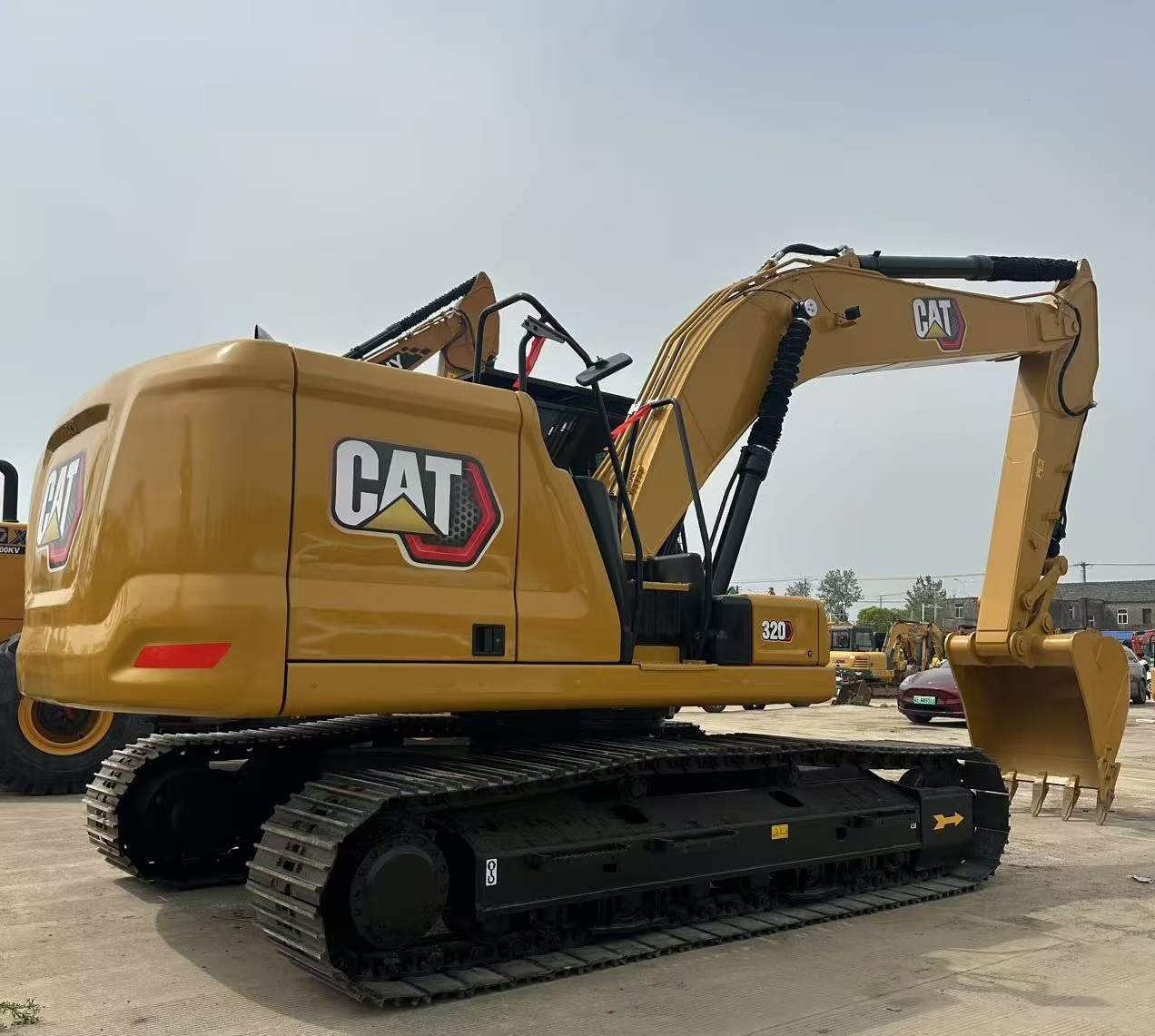
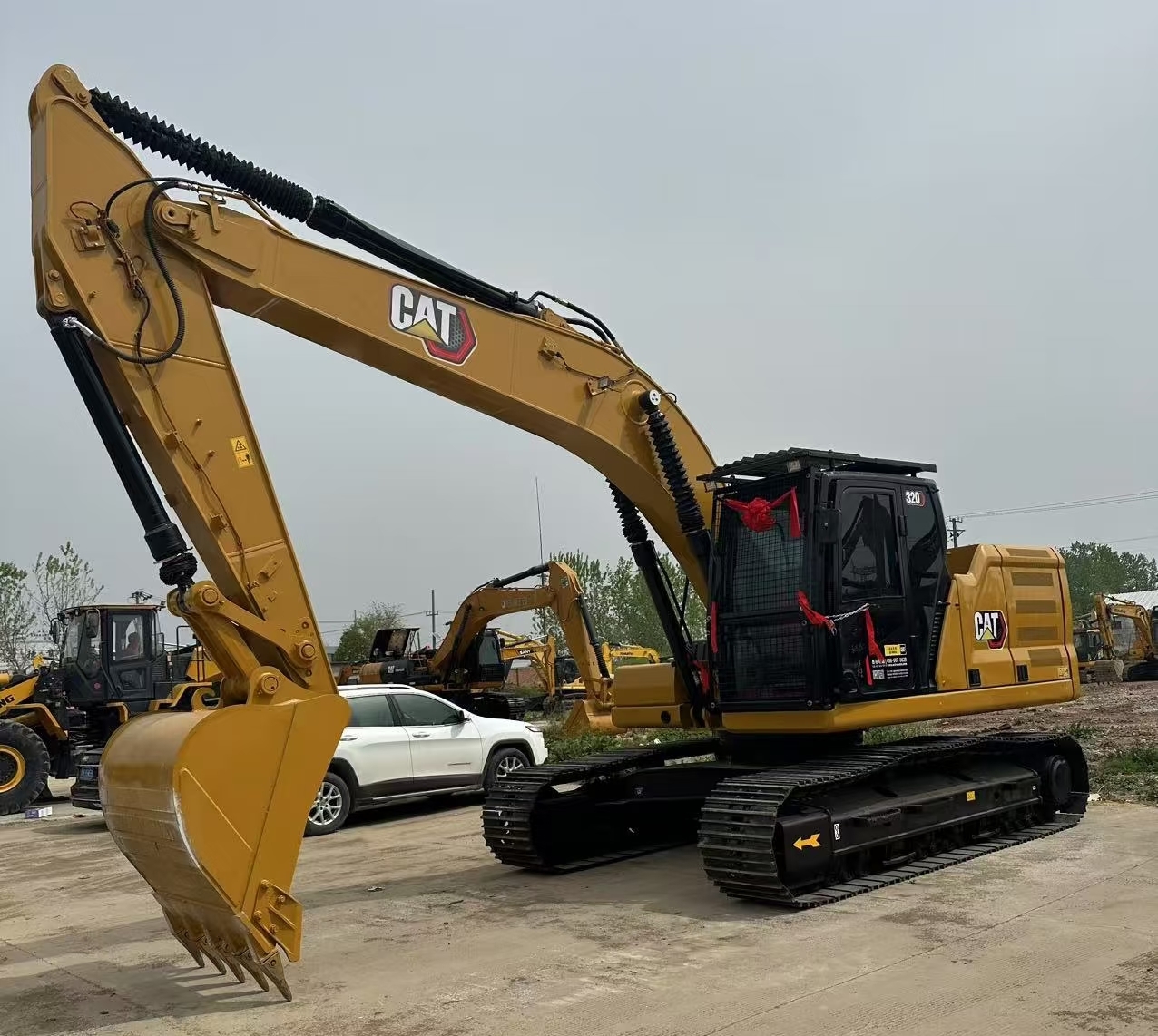
Large Caterpillar excavators typically start at 30 tonnes and increase from there. They can move large volumes of soil, rock, and overburden every day. Therefore, they only pay for themselves quickly on consistently large jobs. Mining, quarrying, and major road construction justify this class. Each bucket load carries much more material, reducing cycle counts. Also, operator comfort is improved during a 10-hour shift. At this size, transportation becomes the real limiting factor. Low-bed trailers, permits, and route surveys all increase costs. However, on long-term projects, the increase in productivity usually outweighs these costs. Ease of service access and parts support are even more important here. A stopped large machine can idle an entire earthmoving operation. Therefore, confirm the dealer's coverage before signing any order. Attachments scale with the platform, from rippers to shears. Each one changes the weight, balance, and hydraulic requirements. Also, standard buckets are rarely suitable for every task on a single site. Fuel consumption increases sharply with size, so hourly budget matters. A 30-tonne unit may consume 20 liters of fuel per hour. Therefore, real profit margins are determined by hourly cost, not the listed price.
Choosing the right size for your own fleet
Start with the job, not the model you admire. List digging depth, reach, load height, and accessible width realistically. Then, select the smallest machine that can meet all requirements. Compare the total cost over five years, not the purchase price. Fuel, tires, undercarriage, and transportation all change the answer. Overall, a medium-sized unit is often better than two extreme options. Before committing, test the machine on your own site. Request a demo using the attachments you need. Finally, confirm the warranty terms and lead times for parts in writing. Used machines should follow the same size logic as new machines. Carefully check undercarriage wear, hydraulic operating hours, and maintenance records. Also, verify that parts for this specific model are still available. Dealers can provide advice on local permits and transportation regulations. Provide them with your site details, and they will select models for you. Then, compare two or three quotes calmly.
Share to:


