Caterpillar Excavator Guide: Sizes, Buying Tips & Smart Choices
A practical guide to the caterpillar excavator, covering machine sizes, inspection points and smart buying tips for busy job sites.
2026/11/19
Reading volume: 0
News Details
Caterpillar Excavator: A Practical Guide for Equipment Buyers
Choosing an excavator is a significant investment for construction contractors, equipment dealers, and fleet operators. A Caterpillar excavator is widely used in construction, mining, roadwork, and earthmoving projects, with different models designed for different operating conditions. However, brand reputation alone should not determine a purchasing decision. Machine size, operating weight, hydraulic performance, maintenance history, and parts availability all influence long-term ownership costs. Buyers should understand these factors before selecting a new or used machine.
Why Construction Companies Choose Caterpillar Excavators
Equipment reliability directly affects project schedules and operating expenses. Caterpillar excavators are available in a wide range of configurations, allowing contractors to select machines for general excavation, material handling, heavy construction, and demanding mining applications. Hydraulic system condition is particularly important when evaluating excavator performance. The pump, control valves, cylinders, and hydraulic lines all contribute to digging efficiency and machine responsiveness. Regular oil analysis, filter replacement, and pressure checks can help identify potential problems before they develop into major repairs. Operator comfort and visibility also influence daily productivity. Cab design, seat adjustment, control layout, and visibility around the working area can affect how efficiently operators perform repetitive tasks. Depending on the model and equipment package, cameras and other visibility features may provide additional support on busy construction sites. Parts and service support should also be considered when comparing equipment brands. Caterpillar has an established global dealer network, but actual parts availability and service response vary by region and machine model. Buyers should confirm local support before purchasing, particularly when the excavator will operate in remote locations.
Understanding Caterpillar Excavator Sizes
Selecting the right machine size helps contractors balance digging performance, transportation costs, and site accessibility. Caterpillar excavator sizes range from compact models for confined spaces to large machines designed for heavy construction and mining operations. Mini excavators are commonly used for landscaping, residential construction, utility installation, and other projects with limited working space. Their compact dimensions make them easier to maneuver around buildings and narrow access areas. Buyers should still compare digging depth, lifting capacity, and attachment compatibility to ensure the machine can handle the intended work. Mid-size excavators are suitable for a broad range of construction applications, including foundation excavation, road construction, trenching, and general earthmoving. Their operating weight and digging capacity offer a practical balance for contractors handling different types of projects. Transportation requirements should be checked against local road restrictions and trailer capacity. Large Caterpillar excavators are designed for demanding applications such as quarrying, mining, and large-scale earthmoving. Their higher operating capacity supports heavy material handling, but the machines also require suitable site conditions, transport arrangements, and maintenance resources. Undercarriage selection is another important consideration. Tracked excavators generally provide better traction and stability on soft or uneven ground, while wheeled excavators offer greater mobility on suitable paved surfaces. Buyers should choose the configuration that best matches their working environment rather than focusing on machine size alone.
What to Inspect When Buying Used Caterpillar Excavators
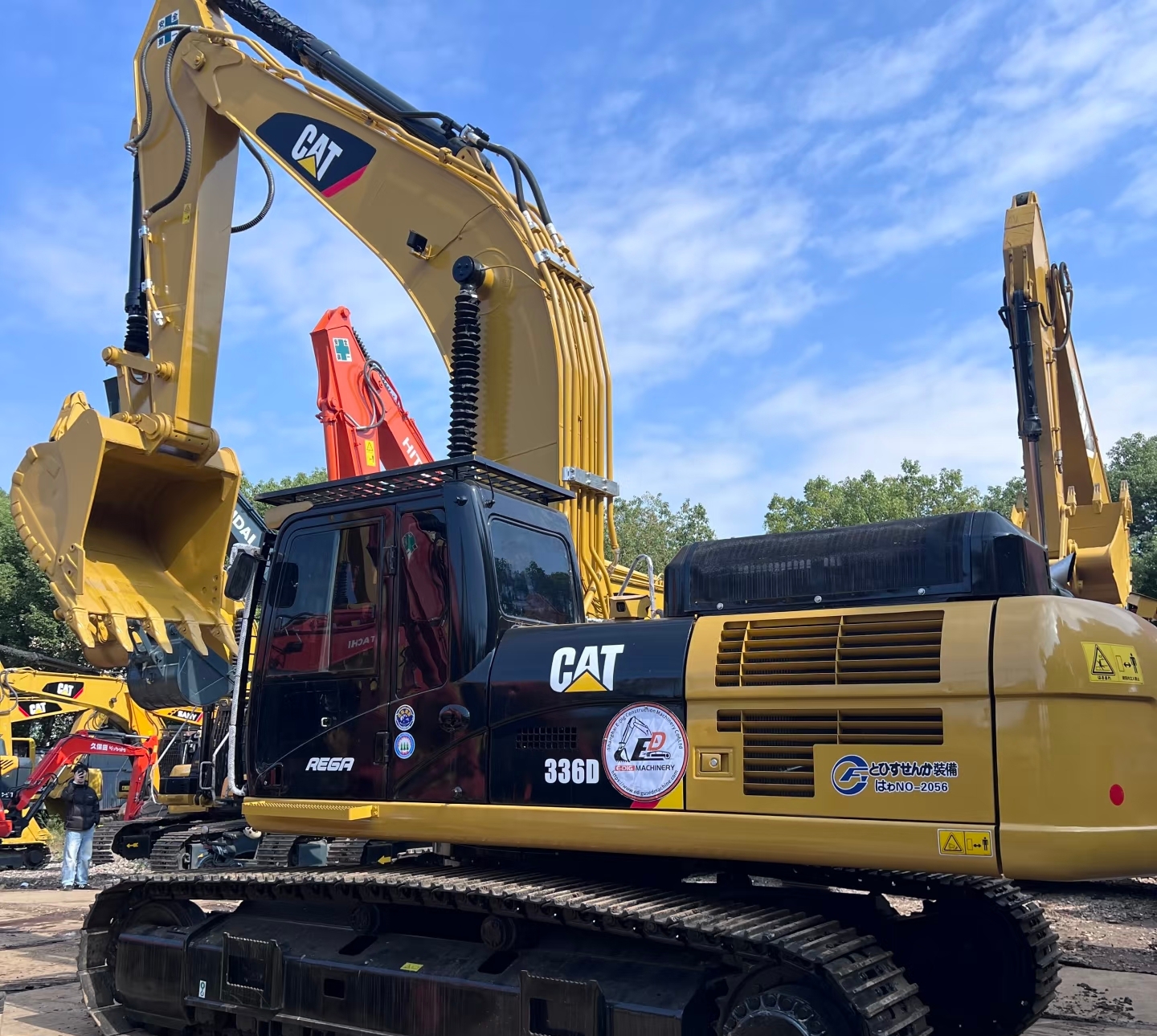
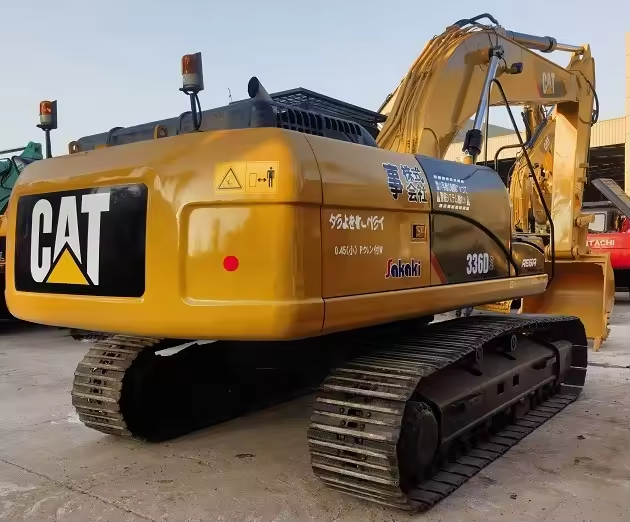
A used excavator should be evaluated through a detailed mechanical inspection, not just its advertised operating hours. The undercarriage is a good starting point because track chains, pins, bushings, rollers, idlers, and sprockets can involve substantial replacement costs. Look for uneven wear, damaged components, and signs of poor maintenance. The hydraulic system deserves equally careful attention. Inspect hoses, cylinders, pump connections, and control valves for leaks or damage. Check the hydraulic oil condition and review available service records. During an operating test, observe digging force, cylinder movement, swing performance, and travel response for unusual noise or inconsistent operation. Structural components should also be examined. Pay particular attention to the boom, stick, bucket, and their connection points. Cracks, deformation, and poorly executed weld repairs may indicate previous overloading or fatigue. A qualified technician can help assess whether repairs affect the machine's structural integrity. Operating hours provide useful information, but they should be compared with the machine's actual condition and maintenance history. Request service invoices, repair records, and available inspection reports. Engine performance, cooling system condition, electrical components, and diagnostic fault codes should also be checked before agreeing on a price.
Finding a Caterpillar Excavator for Sale
Searching for a Caterpillar excavator for sale involves comparing more than the listed purchase price. Equipment condition, model year, operating hours, configuration, service history, and seller reliability all influence the value of a machine. Authorized dealers may provide inspection services, maintenance information, and warranty options depending on the machine and sales agreement. Their prices may be higher than private listings, but buyers can evaluate the additional support and documentation as part of the overall purchase. Private sellers and used equipment dealers may offer a wider range of prices and machine conditions. Buyers should request clear photographs, serial number information, maintenance records, and a live operating demonstration. When an in-person inspection is not possible, an independent third-party inspection can help reduce purchasing risks. Auctions are another option for sourcing used Caterpillar excavators. However, buyers should review inspection reports, auction conditions, buyer fees, and payment requirements before bidding. Machines sold without warranties or detailed inspections may involve additional repair risks. Transportation, insurance, customs duties, and applicable import requirements should be included in the purchasing budget. Before completing the transaction, confirm the delivery schedule, loading responsibilities, payment terms, and insurance coverage in writing.
Make a Better-Informed Excavator Purchase
A Caterpillar excavator can support a wide range of construction and earthmoving operations, but the right choice depends on the project and the machine's actual condition. Comparing model specifications, inspecting major components, and reviewing maintenance records helps buyers make decisions based on practical operating requirements. For used equipment, a thorough inspection and transparent transaction process are essential. Taking time to evaluate the machine before purchase can help contractors control repair expenses, reduce unexpected downtime, and build a more dependable equipment fleet.
Share to:


